Cessna 172RG Rear RH Baffle Assembly
Cessna 172RG Rear RH Baffle Assembly
Blog Article
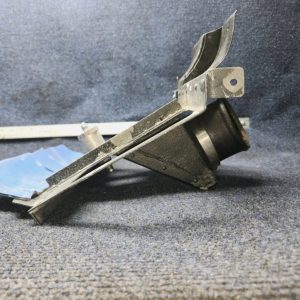
P/N 2455038-2 should be selected only after confirming aircraft serial applicability, engine configuration, mounting geometry, material condition, and included hardware.
The Cessna 172RG Rear Right-Hand Baffle and Cessna 172RG Engine Baffle terms describe related engine-compartment structures, while the exact Cessna 172RG Cooling Baffle should remain identified by P/N 2455038-2.
A Cessna Cutlass Engine Baffle may form part of a broader Cessna 172RG Baffle Assembly, while the Rear RH Engine Baffle must match the exact side, shape, and attachment arrangement.
A Cessna Engine Cooling Baffle, Cessna 172RG Engine Compartment Parts package, Aircraft Cooling Air Baffle, and Cessna 172RG Airflow Baffle contribute to controlling how cooling air moves around the installed engine.
A Cessna Aircraft Engine Baffle can form part of an Engine Cooling Baffle Assembly, while a Cessna Cutlass Cooling System Part must correspond with the installed aircraft and engine configuration.
Why Exact Baffle Part Numbers Matter
Complete part-number verification reduces incorrect purchasing and unnecessary installation work.
Strong traceability improves the commercial and maintenance value of the Cessna 172RG Rear RH Baffle Assembly.
Understanding Cessna Engine Cooling Airflow
The rear right-hand baffle helps guide cooling air through intended paths around the engine installation rather than allowing it to escape through uncontrolled gaps.
A replacement component should restore the intended geometry without creating interference with cylinders, hoses, wiring, controls, exhaust parts, or cowling.
Aircraft Model and Serial Applicability
Aircraft-specific verification helps prevent unsuitable substitution and expensive rework.
The engine model and installed accessories can influence clearances, brackets, hoses, wiring routes, and the shape of surrounding cooling components.
Cessna Baffle Flanges and Brackets
Formed contours help the baffle fit around the engine and connect with surrounding cooling-system components.
The baffle should be supported correctly during storage and shipment to prevent bending.
Rear RH Baffle Damage Inspection
Areas near fasteners and vibration-prone attachment points deserve particular attention.
Cracks can begin near holes, bends, notches, bracket ends, and areas where the sheet metal has been repeatedly flexed.
Baffle Seal Condition and Air Leakage
Accurate seal information helps buyers calculate the complete repair requirements.
Excessively stiff or incorrectly positioned material can interfere with cowling installation or fail to seal properly.
Managing Moisture and Chemical Exposure
Corrosion inspection should address exposed surfaces, overlapping joints, fastener areas, lower edges, brackets, and locations where moisture or contaminants can collect.
Responsible corrosion prevention supports long-term component value.
Maintaining Secure Baffle Connections
Stop-drilled cracks should not be treated as complete repairs without supporting technical information.
Old hardware should not be reused automatically because it fits the existing holes.
Supporting Components Around the Rear RH Baffle
Organized inventory management supports a more efficient Cessna Cutlass maintenance project.
Clear component control reduces accidental installation of unverified engine-compartment parts.
Baffle-Related Temperature Problems
A damaged rear RH baffle may contribute to cooling-air leakage, but it may not be the only cause of an abnormal indication.
Cleaning or replacing one baffle should not be presented as a guaranteed cooling improvement.
Repairing a Damaged Engine Baffle
A localized defect may be repairable, while widespread cracking, severe corrosion, or distorted geometry may support replacement.
Patches or replacement brackets should not create interference with the engine, cowling, controls, wiring, hoses, or exhaust system.
Buying P/N 2455038-2
Honest listings reduce disputes and strengthen buyer confidence.
Accurate commercial information supports responsible Cessna 172RG Replacement Baffle transactions.
Cessna 172RG Baffle Buying Checklist
A pre-purchase review should confirm P/N 2455038-2, donor-aircraft details, model and serial applicability, engine configuration, dimensions, material condition, repairs, included seals, brackets, hardware, and documentation.
- Determine whether seal material, retainers, fasteners, clips, brackets, records, or release documents are included.
- Confirm whether the component came from an accident aircraft, overheated engine compartment, corroded airframe, dismantled project, or controlled removal.
- Inspect and photograph the assembly immediately after delivery before cleaning, stripping, drilling, bending, repairing, painting, or installation.
Preventing Damage During Storage
Loose seals and hardware should be bagged, labeled, and secured separately.
Responsible storage preserves the future usability and commercial value of the Cessna 172RG Airflow Baffle.
Installing the Cessna 172RG Rear RH Baffle
The engine compartment should be inspected before the replacement component is positioned permanently.
Adjacent baffles, seals, brackets, cowling surfaces, wiring, hoses, controls, and exhaust components should remain free from unresolved damage or interference.
P/N 2455038-2.
Routine Cessna Cutlass Baffle Care
Small cracks, loose fasteners, failed seals, and finish damage should be evaluated promptly.
Protective finishes should be maintained so exposed material does not remain vulnerable to moisture and contaminants.
Final Thoughts on the Cessna Cutlass Baffle
The Cessna 172RG Rear RH Baffle Assembly
The baffle should be judged according to complete installation suitability rather than clean appearance, general Cessna similarity, donor-aircraft status, or purchase price alone.
Whether the requirement is a Cessna 172RG Rear website Right-Hand Baffle, Cessna 172RG Engine Baffle, Cessna 172RG Cooling Baffle, or Cessna Cutlass Engine Baffle, exact identification should guide the purchase.
P/N 2455038-2 can deliver a professional combination of replacement value, cooling-system relevance, engine-compartment protection, and Cutlass application potential.
Report this page